Webinar: Navigating Newborn Male Circumcision: Evidence, Practice, and Parental Counseling, Clinical Briefing and Role-Play Workshop
Newborn male circumcision is a topic that often brings strong opinions, personal beliefs, cultural traditions, religion, and medical questions into the same conversation.
Having a foundational understanding of the procedure and its potential benefits and risks can help staff in our network of home visiting programs in L.A. County to share reliable information and support families so they can make informed decisions.
On November 3, 2026, LA Best Babies Network hosted a webinar on this topic for Hospital Liaisons and other staff in our network’s home visiting organizations and Welcome Baby hospitals. Led by Ruth Mielke, a professor at Azusa Pacific University’s School of Nursing, the session covered:
- Religious, cultural, and health reasons that parents choose newborn male circumcision
- The procedure of male newborn circumcision and the aftercare for circumcised newborns
- Strategies for approaching conversations with parents who are considering newborn male circumcision
Male circumcision is the surgical removal of the foreskin, also known as the prepuce, which covers the glans (head) of the penis. Although it is commonly performed during the newborn period, circumcision can also occur later in childhood or adulthood. The decision to circumcise is generally elective and may be influenced by medical, religious, cultural, social, or personal considerations.
Circumcision rates in the U.S. have changed over time and vary considerably by geographic region, race, ethnicity, and socioeconomic status. Hospital-based newborn circumcision rates have generally ranged between 55% and 59%, representing a decline from approximately 63% in 1999 (CDC).
Parents generally consider three major areas when making this decision: medical and health considerations, cultural and social influences, and religious beliefs.
How to Counsel Parents: A Four-Step Conversation:
- Step 1: Assess the family’s values and understanding
- Step 2: Present objective information about benefits and risks
- Step 3: Discuss the procedure and pain management
- Step 4: Use teach-back and support the family’s decision
Watch the recording, and don’t miss the links to related resources below:
About the presenter:
Ruth Mielke, PhD, CNM, FACNM, WHNP-BC is an Associate Dean and Professor at Azusa Pacific University’s School of Nursing, where she also earned her PhD. She brings many years of experience in women’s health, nursing education, and midwifery.
Before returning to Azusa Pacific University to serve as associate dean, she served as the Program Director of the Women’s Health Care Concentration at Cal State Fullerton for 10 years.
Throughout her career, Dr. Mielke has received several state and federal grants to help expand nursing education and improve access to women’s health services. At CSUF, she led a $1.5 million grant-funded initiative that helped expand services at a rural health clinic and supported more than 40 nurse practitioner and midwifery students working in underserved communities. Currently, she is the principal investigator on a federally funded simulation grant ($1.5 million).
Dr. Mielke also has been practicing as a nurse-midwife for many years. She founded a nurse-midwifery practice in Los Angeles at California Hospital Medical Center 1991 and currently works as a certified nurse-midwife at Martin Luther King Jr. Community Hospital and its East Compton Clinic.
Related resources:
- Slides for this presentation
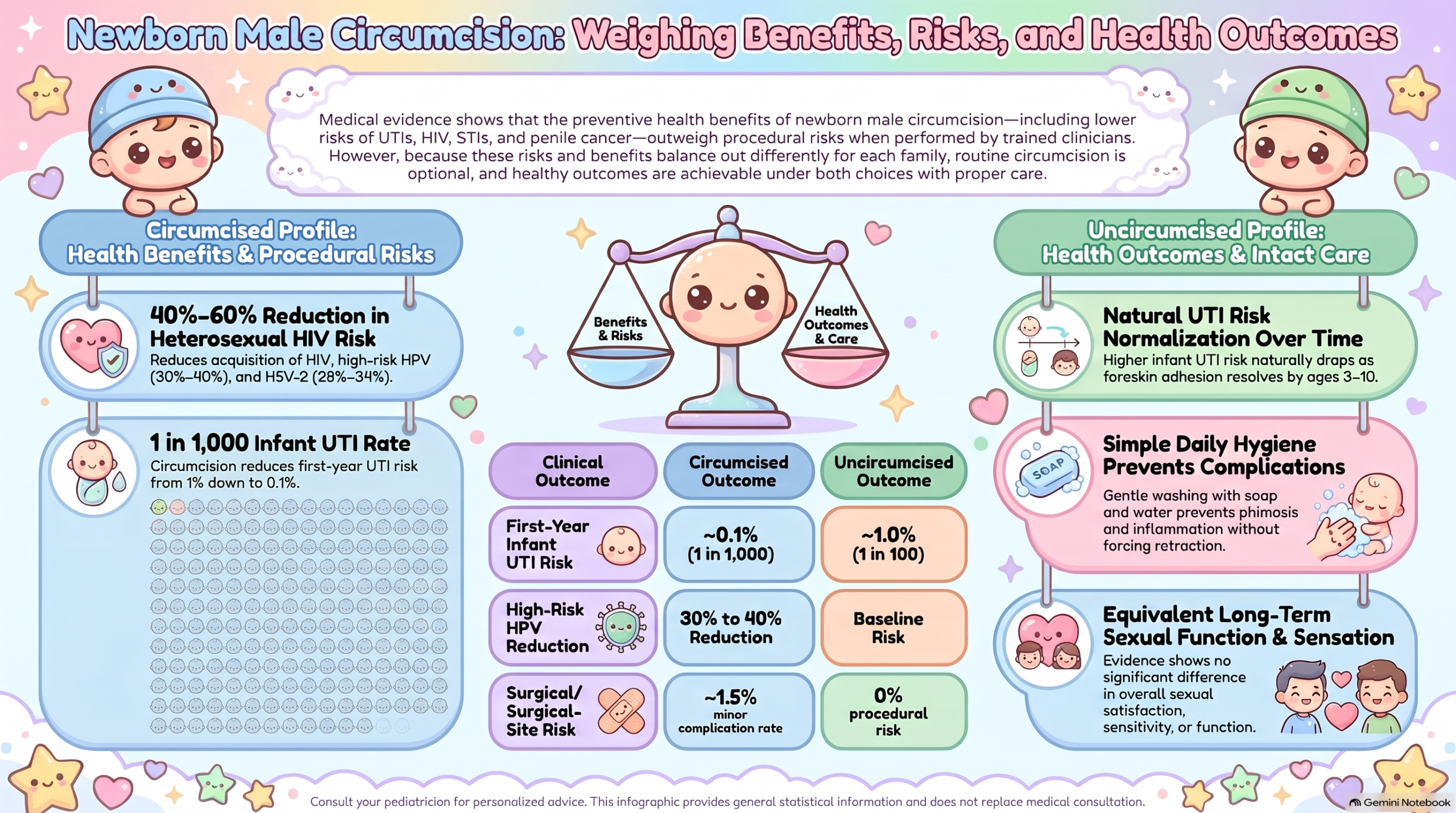
- Newborn Male Circumcision Infographic
- Counseling Parents Who Are Considering Newborn Male Circumcision (Journal of Midwifery & Women’s Health)
- Making Choices—Newborn Male Circumcision (Narrative Inquiry in Bioethics, Volume 13)
- Newborn Care – Circumcision (LABBN Parenting Resource Library in English & Spanish)
- The Welcome Baby Book (English & Spanish) has information on newborn care, including circumcision after-care
- Chapter 9: Health and Safety