
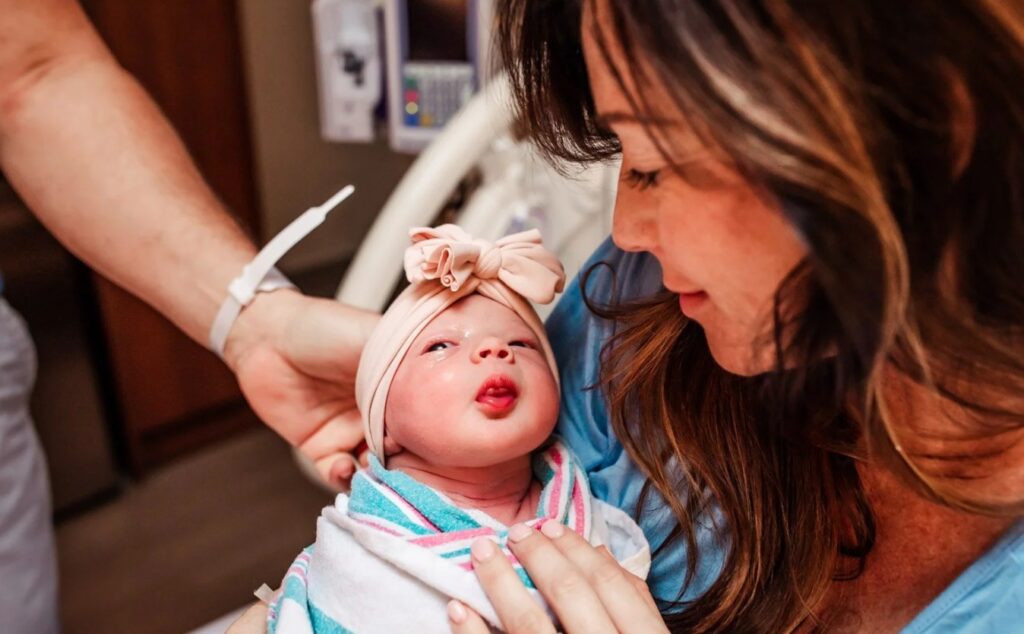
Webinar: From Survival Mode to Connection: Nervous System-Informed Family Support at Bedside
The hours and days following childbirth are a time of profound transition for families. While welcoming a new baby can bring joy and excitement, it also brings physical exhaustion, overwhelming emotions, and heightened stress.
During this critical period, Hospital Liaisons in the Welcome Baby program play an important role in connecting with families at the bedside, providing support, resources, and information when it is needed most.
In an LA Best Babies Network-hosted webinar on June 15, 2026 — for Hospital Liaisons and other staff of our network’s home visiting organizations and Welcome Baby hospitals — Dr. Tracy Becerra-Culqui, Licensed Occupational Therapist and Assistant Professor, discussed:
- Understanding the Family’s Experience: Recognize how stress, sensory experiences, and the nervous system affects a parent’s ability to process information and connect during bedside visits.
- Understanding Your Own Sensory System: Increase awareness of personal sensory and nervous system responses.
- Practical Bedside Strategies: Apply nervous system-informed strategies – sensory, regulation, and communication.
Dr. Becerra-Culqui explained that in the moments following childbirth, the nervous system may be focused on safety and survival rather than learning and information processing. She says that recognizing signs of stress and dysregulation allows Hospital Liaisons to adjust their approach, creating opportunities for connection before delivering information at bedside.
A key takeaway from the presentation was the importance of being mindful of a parent’s sensory experience. Hospitals can be busy, stimulating environments filled with bright lights, sounds, interruptions, and physical discomfort.
Dr. Becerra-Culqui encouraged the Hospital Liaisons to pay attention to the sensory environment and identify ways they can help reduce stress during bedside visits, such as:
- Offering slow, supported walking when appropriate
- Helping parents find comfortable positions using pillows or other supports
- Moving slowly and avoiding sudden movements
- Recognizing that touch may feel overstimulating for some parents, and seeking permission before physical contact
- Keeping conversations brief, calm, and focused
- Being attentive to signs that a parent may need a break or additional support
These simple yet intentional actions can help create a greater sense of comfort and safety, allowing families to move from a state of overwhelm toward connection and engagement.
Watch the webinar recording and see other resources below.
About the presenter:
Dr. Becerra-Culqui integrates her background in occupational therapy with advanced training in public health and epidemiology to support maternal and family well-being through a sensory and nervous system-informed lens. Her work has included maternal and child health research at Kaiser Permanente focused on health equity and family outcomes across the life course. She is a professor at California State University Dominguez Hills in the department of Occupational Therapy. With over 20 years of experience across pediatric, early intervention, school-based, sensory integration, and community mental health settings, she brings both clinical and systems-level perspectives to her work with families. She is also the founder of Mom Sensory Magic, where she partners with organizations to provide education and professional development on sensory-informed approaches to supporting mothers, caregivers, and young children.